We use cookies to understand how landlords find us and improve your experience. If you accept, LinkedIn and Meta can also tell us which of their adverts brought you here. If you decline, none of this loads, and it won't affect how the site works.
Learn moreLeave on a high.
Section 21 has ended. Get your property back by agreement.
Offer your tenant a cash reward to leave on a date you choose, agreed up front. They keep paying rent until then, and the reward is paid only if they leave. Possession claims take 6 months on average.1 Selling instead? It works for a sale too.
Free to join — you only pay once your tenant confirms they’re taking part.
Watch the clip
Illustrative scenario
You don’t have to evict. You may not have to discount.
Umoja gets you vacant possession with your tenant on side — to sell at full value, move back in, or refurbish. Pay them to leave on a date you both agree: no eviction, no fight, and a leaving date you can keep close to completion.

Support through the sale. Full value at the end.
If you’re selling, Umoja does two jobs. While you market the property, your tenant keeps paying rent and allows viewings. At the end, your buyer gets an empty home — without a long, costly gap between your tenant leaving and completion.
Rent continues, viewings happen
Your tenant keeps paying rent as normal until the day they leave, and agrees in writing to reasonable access for viewings, valuations and inspections.
You choose the leaving date
Set it when you list if you already know it, or later, once you have a buyer and a likely completion date. It sits within the notice range your tenant has already agreed to.
Move it if completion moves
If the sale slips, either of you can propose a new date, and it changes when you both agree. Your tenant leaves close to completion, not months before it. Umoja can’t control your buyer’s timetable, but you can move with it.
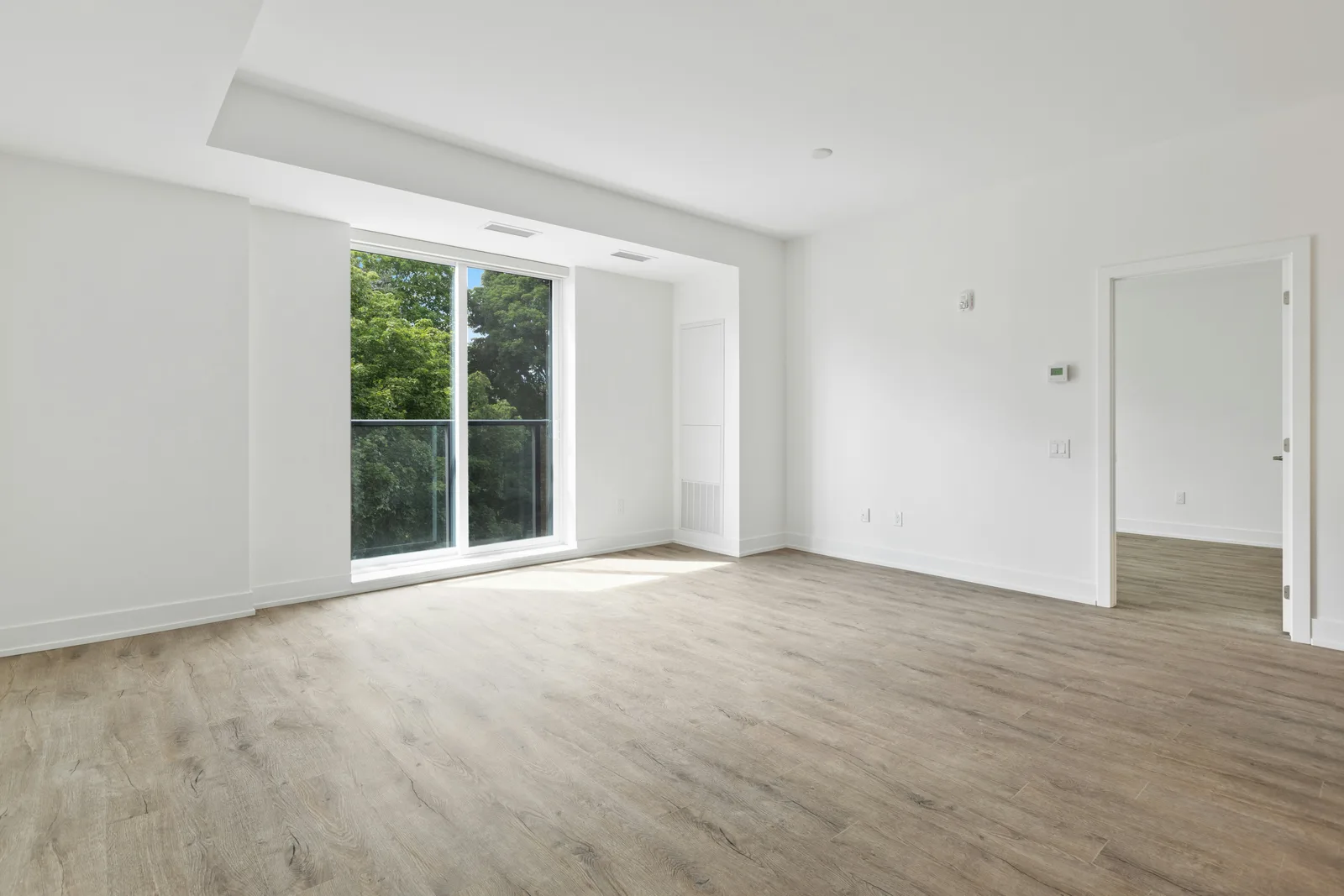
Vacant possession for your buyer
Hand over an empty home, which is what owner-occupiers expect to buy, without serving notice or going to court.
The landscape has changed
The economics of residential lettings have shifted. For many landlords, getting their property back — to sell, or to use differently — is simply the right decision.
31% of landlords plan to reduce their portfolio within two years2
Relief is gone.
Section 24 restricts mortgage interest relief to a basic rate credit, significantly reducing net rental income for higher-rate taxpayers. This comes at a time when buy-to-let mortgage rates have risen from around 3.25% to over 5.5%, driven by the Bank of England base rate increasing from 0.1% to 5.25% between December 2021 and August 2023.3
Compliance is getting expensive.
All private rental properties must reach EPC Band C by October 2030. Over half of PRS properties are currently below this threshold, with average upgrade costs of around £5,400 per property.4 The new Decent Homes Standard — previously applied only to social housing — is being extended to the private rented sector for the first time, signalling a sustained increase in compliance costs for landlords.5
Possession is harder.
The Renters’ Rights Act 2025 abolishes Section 21 “no-fault” evictions from May 2026.6 Landlords can still seek possession to sell under revised Section 8 grounds, but must now give four months’ notice and cannot use this ground during the first 12 months of a tenancy. The result: longer timelines, no guarantee of co-operation, and an extended void period between the tenant leaving and completing the sale.
Exit is taxed more.
The stamp duty surcharge on additional properties increased from 3% to 5% in October 2024, while the nil-rate threshold dropped from £250,000 to £125,000 in April 2025.7 The annual Capital Gains Tax allowance has been cut from £6,000 to £3,000, and Furnished Holiday Let relief was abolished in April 2025.8 For many landlords, the tax arithmetic now favours selling sooner rather than later.
The cost of the traditional route

Gaining vacant possession through the courts is slow, expensive, and adversarial. Ministry of Justice data shows the median landlord possession claim takes 27 weeks from claim to repossession — and many cases take longer.1 During that time, landlords face lost rental income, court and enforcement fees alone of roughly £900–£1,200 before solicitor costs,9 and an increasingly adversarial relationship with their tenant.
Even after vacant possession, an empty property carries its own costs. Local authorities can charge a council tax premium of up to 100% on properties empty for more than one year, rising to 200% after five years and 300% after ten.10 Because you choose the leaving date, and can move it by agreement if completion moves, you can keep that gap short.
Most people buying a home to live in need vacant possession, because they can’t move in while a tenant is still there — which is why a tenanted property can sell for less than the same property empty. Umoja helps you meet that expectation without the cost and conflict of eviction.
How It Works
Three steps to vacant possession, with your tenant on side

List your property
Set a reward fund and list. Free to join — you only pay once your tenant is on board.

Your tenant co-operates
They earn a cash reward for co-operating and leaving at a pre-agreed date.
You get vacant possession
Following your tenant’s departure, you are free to sell at full value, refurbish, or move back in. No eviction, no fight.
Simple, fair pricing
Just two charges: a one-off Activation Cost to list your property, and a simple Service Fee when it goes ahead. We want you to reward your tenant as generously as possible — so the bigger the fund you set, the lower our Service Fee.
Activation Cost
£99
One-off payment to list your property and generate contracts
Service Fee
From 15%
The bigger the Umoja Fund you set, the lower your effective rate
If It Doesn’t Go Ahead
Nothing but your Activation Cost
You or your tenant can cancel at any time before departure. The Umoja Fund only ever becomes due once your tenant leaves within the agreed window and you’ve achieved vacant possession.
Not ready to run the numbers yet?
Get our free guide — your options with a tenant currently in occupation, what the legal route actually costs, and how Umoja works. Plain English, no commitment. We’ll email it to you.

Ready to get started?
Free to join — you only pay once your tenant confirms they're taking part.
1 Ministry of Justice, Mortgage and Landlord Possession Statistics, April to June 2026. Median time from landlord claim to repossession: 27.1 weeks, about 6 months. The MoJ notes that median figures are generally considerably lower than mean figures, so many cases take longer.
2 English Private Landlord Survey 2024, Department for Levelling Up, Housing and Communities (fieldwork April to May 2024). 31% of landlords reported planning to decrease the size of their portfolio in the next two years, including 16% planning to sell all their properties. The comparable figure was 22% in 2021.
3 Bank of England, Bank Rate history. Base rate rose from 0.1% (December 2021) to 5.25% (August 2023) across 14 consecutive increases. Average buy-to-let mortgage rates rose from 3.25% in 2021 to 5.53% in 2024 (Moneyfacts).
4 Domestic Private Rented Property: Minimum Energy Efficiency Standard, GOV.UK. EPC Band C required by October 2030 for all PRS tenancies. Government estimates average upgrade cost of approximately £5,400 per property, capped at £10,000. Over 52% of PRS properties are currently below Band C.
5 The New Decent Homes Standard: Policy Statement, Department for Levelling Up, Housing and Communities. The standard, previously applied only to social housing, is being extended to the private rented sector for the first time, including energy efficiency requirements aligned with MEES.
6 Renters’ Rights Act 2025, GOV.UK. Section 21 “no-fault” evictions abolished from 1 May 2026. Revised Section 8 Ground 1A (selling) requires four months’ notice and cannot be used during the first 12 months of a tenancy.
7 Stamp Duty Land Tax: Residential Property Rates, GOV.UK. Additional property surcharge increased from 3% to 5% from 31 October 2024. Nil-rate threshold reduced from £250,000 to £125,000 from 1 April 2025.
8 Capital Gains Tax: Recent Developments, House of Commons Library. Annual CGT allowance reduced from £6,000 to £3,000 for 2024–25. Higher-rate residential property CGT is 24%. Furnished Holiday Let tax relief abolished from April 2025.
9 Court fees (possession order £355, warrant £130) plus bailiff or High Court enforcement (£400–£720), which total roughly £885–£1,205. Solicitor fees are extra and vary. Excludes lost rental income during the process.
10 Levelling-up and Regeneration Act 2023. From April 2024, local authorities may charge a 100% council tax premium on properties empty for 1+ years, rising to 200% after 5 years and 300% after 10 years.